
Category: Uncategorized

  • How to Sell a Vacant House in Beloit

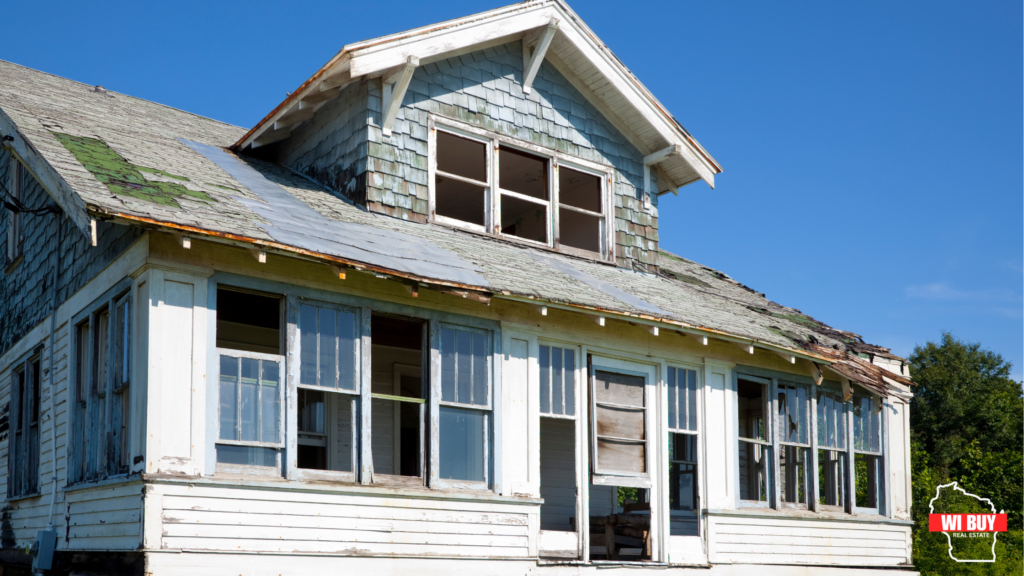
    A vacant house doesn’t just sit there quietly while you decide what to do with it. Every month it’s empty, it can cost you money and create risk — taxes, insurance, code enforcement, and the chance of vandalism or weather damage going unnoticed. If you own a vacant property in Beloit, here’s what the process of selling it actually looks like, from start to finish.

    Short answer: You can sell a vacant house in Beloit as-is, without making repairs, cleaning it out, or waiting for a buyer who needs financing. The process is usually faster and simpler than selling an occupied home, but there are a few things specific to vacant properties worth understanding first.

    Why Vacancy Creates Urgency

    A house that’s occupied — even by a difficult tenant — at least has someone keeping an eye on it. A vacant house doesn’t. That changes the math on how long you can reasonably wait to sell.

    Things that tend to come up with vacant properties in Beloit:

    • Insurance complications. Many standard homeowner policies have limits on how long a property can sit vacant before coverage is reduced or voided. It’s worth checking your policy directly.
    • Code enforcement. The City of Beloit can issue violations for unmaintained vacant properties — overgrown lawns, peeling paint, unsecured entry points — which can add fines on top of everything else.
    • Vandalism and break-ins. Empty homes are more likely to be targeted, especially over time.
    • Frozen pipes and weather damage. Without anyone checking on the property, issues like a burst pipe in winter can go unnoticed for weeks.
    • Continued carrying costs. Property taxes, insurance, and utilities keep accruing whether anyone’s living there or not.

    None of this means you need to panic. It just means waiting indefinitely usually isn’t free, and it’s worth weighing that against how long a traditional sale might take.

    Step-by-Step: Selling a Vacant House in Beloit

    Step 1: Confirm the Property Is Secure

    Before anything else, make sure doors and windows are locked, and address any obvious hazards. This matters for insurance purposes and simply protects the property while you figure out next steps.

    Step 2: Check Your Insurance Status

    Look at your policy or call your insurance company to understand how vacancy affects your coverage. Some homeowners switch to a vacant property policy temporarily; others decide this is one more reason to move toward selling sooner rather than later.

    Step 3: Decide What “Ready to Sell” Actually Means for You

    With a vacant house, you have a choice: clean it out, make repairs, and prepare it for a traditional listing — or sell it exactly as it sits. There’s no universally right answer. It depends on the property’s condition, how much time and money you want to put in, and how quickly you need this resolved.

    Step 4: Get the Property Evaluated As-Is

    If you’re leaning toward a direct sale, the next step is simple: someone evaluates the property in its current condition — no repairs, no cleanout, no staging — and gives you a clear number based on that condition. Every property is different, so this is where the specifics of your house come into play.

    Step 5: Review the Offer and Ask Questions

    A good buyer should be able to explain exactly how they arrived at their number and answer questions directly. There shouldn’t be pressure to decide on the spot. Take the time you need to compare this against other options, including listing traditionally if that’s something you’re considering.

    Step 6: Choose a Closing Date

    One advantage of selling a vacant property as-is is timing flexibility. Since there’s no tenant to coordinate around and no one living there to relocate, closing can often happen quickly — sometimes in a couple of weeks — or on whatever timeline works best for you.

    Step 7: Close and Hand Off the Property

    Once you close, the carrying costs, insurance concerns, and code compliance responsibility transfer with the property. You’re done.

    Common Questions About Selling a Vacant House

    How long can a house stay vacant before it becomes a problem? It depends on your insurance policy and local code requirements, but many policies start limiting coverage somewhere around 30 to 60 days of vacancy. It’s worth checking your specific policy rather than guessing.

    Do I need to clean out the house before selling it? No. An as-is sale means the property sells in its current condition, including any belongings or items left behind.

    What if the house needs significant repairs? That doesn’t prevent an as-is sale. The condition of the property, whatever it is, simply gets factored into the offer.

    Can I sell a vacant house I inherited? Yes. Inherited vacant houses are one of the most common situations we see, and the same as-is process applies, sometimes alongside probate considerations depending on your situation.

    Is selling a vacant house faster than selling an occupied one? Often, yes, since there’s no tenant relocation or showing coordination involved. The exact timeline still depends on the property and the path you choose.

    What if I’m not sure whether to repair it or sell as-is? That’s a completely reasonable thing to be unsure about. We’re happy to walk through both numbers side by side so you can see what each path would actually mean for you.

    Selling a Vacant House in Beloit and Beyond

    We work with homeowners managing vacant properties throughout Beloit, South Beloit, Janesville, Madison, Racine, Kenosha, Green Bay, Milwaukee, and across Wisconsin. Whether the house has been empty for a month or several years, the path forward usually comes down to the same core decision: repair and list, or sell as-is and move on.

    Ready to Talk Through Your Vacant Property?

    WI Buy Real Estate helps Wisconsin homeowners understand their options for vacant houses, from insurance questions to the actual sale process. We’re happy to explain the numbers honestly and let you decide what’s right for your situation — no pressure, no obligation.

  • How to Compare Vacant House Buyers in Beloit

    If you’ve got a vacant house in Beloit sitting empty and you’re getting calls, postcards, and offers from different buyers, it can be hard to tell who’s actually legitimate and who’s just chasing a deal. Not all vacant house buyers operate the same way, and the differences can matter — especially around fees, timelines, and whether the closing actually happens.

    Here’s a clear way to compare your options before you sign anything.

    Why Vacant Houses Attract So Many Buyers

    Vacant properties are a common target for cash buyers because they’re often easier transactions — no tenants to coordinate around, no one living there during showings, and frequently a motivated seller who’s dealing with carrying costs like taxes, insurance, and utilities on a house no one’s using. That’s not a bad thing. It just means you may have several buyers reaching out, and it’s worth knowing what to look for.

    Five Things to Compare Between Vacant House Buyers

    1. Fees and What’s Actually Coming Out of Your Proceeds

    Some buyers advertise a number up front and then reduce it after “inspecting” the property, citing repairs or issues that weren’t disclosed clearly from the start. Others build in fees that aren’t obvious until you’re at the closing table.

    What to ask:

    • Are there any fees beyond standard closing costs?
    • Will the number discussed upfront change later, and under what circumstances?
    • Who pays closing costs and title work?

    A buyer who’s upfront about this from the first conversation is generally a better sign than one who keeps the details vague until later.

    2. Repair Requests After the Initial Offer

    One of the most common things to watch for: a buyer makes an attractive initial offer, then asks for a lower price after a walkthrough, citing repairs. Sometimes this is legitimate — a vacant property can have issues that weren’t visible at first, like water damage or pest problems. But it’s worth asking directly, early on, how a buyer handles this.

    What to ask:

    • Is the offer based on the property’s current condition, or could it change after a walkthrough?
    • Has the buyer seen the property, or photos of it, before giving a number?
    • How do they typically handle unexpected issues found during their evaluation?

    3. Proof of Funds

    This one matters more than people expect. A buyer who can’t show proof of funds may not actually be able to close — which means you could take your house off the market, wait weeks, and end up back at square one.

    What to ask:

    • Can the buyer provide proof of funds or a bank statement showing they can complete a cash purchase?
    • Are they using their own capital, or relying on funding from someone else?
    • Have they closed on similar properties recently that you could verify?

    A legitimate, established buyer should have no issue providing this.

    4. Local Track Record

    A buyer with an actual presence in Beloit and the surrounding area tends to operate differently than an out-of-state company running ads nationally and reselling local leads to whoever bids on them. Local buyers are easier to verify, easier to reach if something comes up, and generally more invested in their reputation in the community.

    What to ask:

    • Is the buyer actually based in Wisconsin, or just running ads here?
    • Can they point to other properties they’ve purchased in Beloit or nearby?
    • Do they have reviews, references, or a real local presence you can check?

    5. Closing Speed and Flexibility

    Vacant houses often come with carrying costs that add up every month — taxes, insurance, utilities, and the risk of vandalism or code violations on an empty property. A buyer’s ability to close quickly, or to work around your timeline, can matter as much as the offer itself.

    What to ask:

    • What’s their typical closing timeline?
    • Can they close faster if you need to stop carrying costs sooner?
    • Is the closing date flexible if you need more time instead?

    A Simple Comparison Checklist

    When you’re weighing buyers side by side, it helps to ask the same five questions of each one:

    1. Are all fees disclosed upfront, with nothing added later?
    2. Is the offer firm, or could it change after a walkthrough?
    3. Can they show proof of funds?
    4. Do they have a verifiable local track record in Beloit or Wisconsin?
    5. How fast can they close, and how flexible are they on timing?

    A buyer who answers all five clearly and directly, without hesitation, is generally one worth taking seriously.

    Common Questions About Selling a Vacant House

    Is it harder to sell a vacant house than an occupied one? Not necessarily. In some ways it’s simpler, since there’s no tenant to coordinate around. The main considerations are usually about the property’s condition and carrying costs while it sits empty.

    Do I need to clean out the house before selling it as-is? No. An as-is sale means the property sells in its current condition, including anything left inside.

    What if the house has been vacant for a long time and has deferred maintenance? That’s common with vacant properties and isn’t a problem for an as-is sale. The condition is simply factored into the offer.

    Should I get multiple offers before deciding? It’s reasonable to compare a couple of options, especially using the checklist above. What matters most is finding a buyer you trust to actually close, not just whoever gives the highest number upfront.

    How quickly can a vacant house in Beloit actually close? It depends on the property and the buyer, but as-is cash sales on vacant homes can often close in a few weeks, with flexibility if you need more or less time.

    Selling a Vacant House in Beloit and Across Wisconsin

    We work with homeowners dealing with vacant properties throughout Beloit, South Beloit, Janesville, Madison, Racine, Kenosha, Green Bay, Milwaukee, and the rest of Wisconsin. Every property and every situation is different, so we’re happy to walk through your specific numbers and answer any questions before you decide anything.

    Thinking About Selling Your Vacant House?

    WI Buy Real Estate is a local Wisconsin buyer with a real track record in Beloit and the surrounding area. We’re glad to provide proof of funds, answer every question on this checklist directly, and explain the numbers with no pressure to decide right away.

  • How to Sell a Fire-Damaged House Fast in Milwaukee

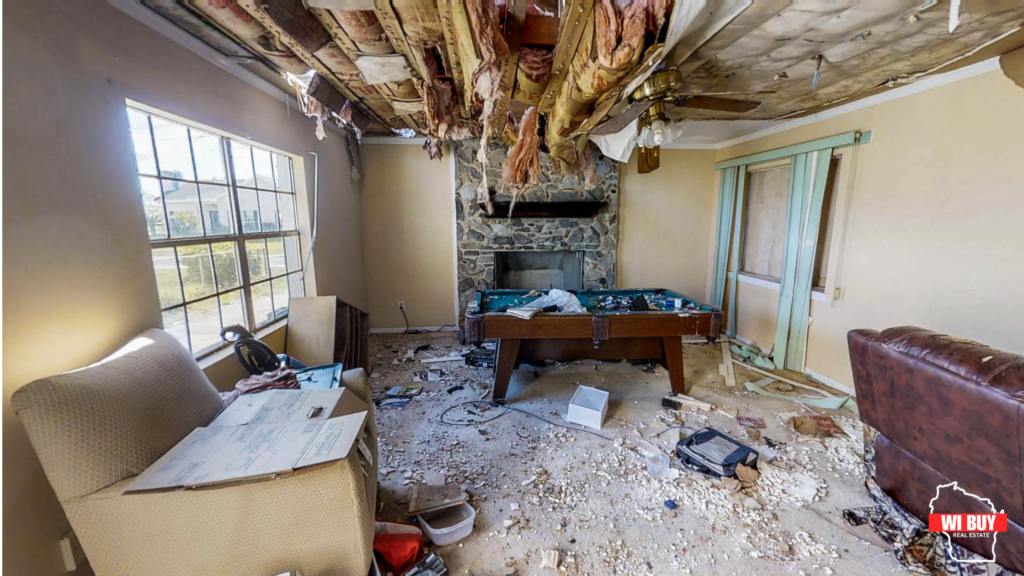
    A fire in your home is overwhelming enough without also having to figure out what to do with the property afterward. The good news: you can sell a fire-damaged house in Milwaukee as-is, without making repairs first, through a direct cash sale. You don’t need to rebuild, clean up smoke damage, or deal with contractors before you sell.

    Here’s a clear, step-by-step path through it.

    Why Selling a Fire-Damaged House Traditionally Is So Difficult

    Listing a fire-damaged home on the open market comes with obstacles most homeowners don’t expect:

    • Most lenders won’t finance it. Traditional buyers using a mortgage typically can’t close on a home with fire or smoke damage until repairs are made, because the property won’t pass appraisal or inspection requirements.
    • Insurance and repair timelines can drag on. Between adjusters, contractor estimates, and permit approval through the City of Milwaukee, repairs can take months before a house is even ready to list.
    • Buyers get nervous about hidden damage. Smoke and water damage from firefighting efforts can affect more of the structure than what’s visible, which makes traditional buyers cautious even after repairs.
    • Showings are hard. It’s difficult to market a home for top dollar when it’s not safe, livable, or presentable.

    This is exactly the kind of situation an as-is cash sale is designed for.

    Step-by-Step: Selling a Fire-Damaged House As-Is in Milwaukee

    Step 1: Secure the Property

    Before anything else, make sure the home is safe and secured — boarded windows, locked doors, and any immediate hazards addressed. This protects the property and matters if you’re working with insurance.

    Step 2: Check In With Your Insurance Company

    If you have a homeowner’s policy, it’s worth understanding what your coverage looks like before deciding how to move forward. Some homeowners choose to file a claim and sell afterward; others sell as-is and let the new owner and their own process handle repairs. Every situation is different, and there’s no single right order to do things in.

    Step 3: Decide If Rebuilding Is Worth It For You

    This is the real fork in the road. Rebuilding can take months and a meaningful amount of money, and it doesn’t always make sense — especially if you’re not planning to live in the home long-term, you’re managing this from out of state, or the property was a rental to begin with. For many Milwaukee homeowners, selling as-is and moving forward is simply the more practical option.

    Step 4: Get a Clear, Honest Look at the Numbers

    A direct cash sale means we evaluate the property in its current condition — fire damage and all — and walk you through what that’s worth in plain terms. There’s no pressure to accept anything. We’re happy to explain the numbers so you can compare selling as-is against the cost and timeline of repairing it yourself.

    Step 5: Skip Repairs, Cleanup, and Contractor Coordination

    Once you decide to move forward, there’s nothing left for you to fix. No smoke remediation, no structural repairs, no debris removal. The home sells exactly as it stands.

    Step 6: Close on a Timeline That Works for You

    As-is cash sales can typically close faster than a traditional sale because there’s no lender approval process to wait on. Closing dates are flexible and can be built around your situation, whether that’s quickly to put this behind you or with a bit more time if you need it.

    Common Questions About Selling a Fire-Damaged House in Milwaukee

    Can I sell my house if it has fire damage and I haven’t made repairs? Yes. You can sell a fire-damaged house exactly as it is. A direct, as-is sale doesn’t require any repairs, cleanup, or restoration beforehand.

    Will I get less money for a fire-damaged house? The value reflects the property’s current condition, since the buyer is taking on the repair work themselves. We’re glad to walk through the specific numbers for your property so you can see exactly how that compares to repairing it yourself before selling.

    Do I need to wait for my insurance claim to settle before selling? Not necessarily. It depends on your situation. Some homeowners settle their claim first; others sell as-is and let that process happen separately. We can talk through what makes sense for you.

    What if the damage is severe, structural, or the house isn’t livable? That’s still something we can work with. As-is sales are built for properties in any condition, including homes that aren’t currently safe to occupy.

    How fast can a fire-damaged house sell in Milwaukee? It depends on the specifics, but as-is cash sales can often close in a matter of weeks rather than the months a repair-and-list approach can take.

    Do I need to clean out the house first? No. You can sell the property as it sits, including any contents or debris left behind.

    A Path Forward for Milwaukee Homeowners

    Dealing with a fire is hard enough. Figuring out what to do with the house afterward shouldn’t add months of stress on top of it. Whether the damage is minor smoke damage in one room or significant structural loss, there’s a path to sell the property as-is and move forward.

    We work with homeowners throughout Milwaukee and across Wisconsin, including Madison, Racine, Kenosha, Green Bay, Janesville, Beloit, and South Beloit, who are navigating fire damage, major repairs, or other distressed property situations.

    Ready to Talk Through Your Situation?

    WI Buy Real Estate helps Milwaukee homeowners understand their options after a fire or major property damage. We’ll look at your specific situation, explain the numbers honestly, and let you decide what’s right for you — no pressure, no obligation.

  • How to Sell a House With Problem Tenants in Wisconsin

    If you’re dealing with a tenant who isn’t paying rent, has damaged the property, or simply won’t leave, selling might feel out of reach until the situation is resolved. It isn’t. You can sell a house with problem tenants in Wisconsin without going through formal eviction first by selling as-is to a direct buyer who takes on the property — and the tenant situation — exactly as it stands.

    Here’s how that works, step by step.

    Why Problem Tenants Make Traditional Selling Difficult

    Listing a house on the open market usually assumes a few things: the property is in good condition, buyers can schedule showings, and the home can close with a cooperative occupant inside. Problem tenants break all three assumptions.

    Common issues Wisconsin landlords run into:

    • Tenants behind on rent for months
    • Property damage that would need repairs before a traditional buyer’s lender approves financing
    • Tenants who refuse showings or make the home difficult to access
    • Holdover tenants who stay after a lease ends and won’t move out
    • A drawn-out eviction process that can take weeks or months in Wisconsin courts

    Most retail buyers — and almost all mortgage lenders — won’t move forward on a property with these complications still unresolved. That’s the gap a direct, as-is sale fills.

    Step-by-Step: Selling a House With Problem Tenants in Wisconsin

    Step 1: Understand Where You Actually Stand Legally

    Before anything else, it helps to know the basics of your situation: what kind of lease you have, how much notice is required under Wisconsin law, and whether the tenant has any legal grounds to stay. You don’t need to have this fully sorted out before reaching out — we can talk through it with you — but knowing the general shape of things helps set expectations.

    Step 2: Decide Whether Eviction Is Worth Pursuing First

    Eviction in Wisconsin can take weeks or months depending on the county, the court schedule, and whether the tenant contests it. For some homeowners, it makes sense to complete the eviction before selling. For others — especially if you need to sell sooner, or you’d rather not manage that process — it doesn’t. There’s no single right answer here. It depends on your timeline, the tenant’s situation, and what you’re trying to walk away with.

    Step 3: Explore an As-Is Sale That Doesn’t Require the Tenant to Be Gone

    This is the part most homeowners don’t realize is possible: you can sell the property with the tenant still living there, without waiting for an eviction to finish and without making any repairs.

    A direct cash buyer like WI Buy Real Estate purchases the property as it currently sits — tenant, condition, and all. That means:

    • No repairs required before closing
    • No need to resolve the tenant situation first
    • No showings to coordinate around a difficult tenant
    • No lender approval process that could fall through over the property’s condition

    Step 4: Get a Clear, No-Pressure Look at the Numbers

    Every property and every tenant situation is different, so the right offer depends on specifics — the property’s condition, the rent status, and what it would take to resolve the tenant situation if a new owner has to do it. We’re happy to walk through those numbers with you so you can compare this path against eviction-then-sell or listing traditionally, with no obligation either way.

    Step 5: Choose a Closing Date That Works for You

    One advantage of an as-is cash sale is flexibility. If you’d rather close quickly to stop the bleeding on a non-paying tenant, or you need a bit more time to sort out logistics, the closing date can usually be built around what works for your situation.

    Common Questions About Selling With Problem Tenants

    Do I have to evict the tenant before I can sell? No. You can sell the property with the tenant still in place. The buyer takes on that situation as part of the as-is purchase.

    What if the tenant has damaged the property? That’s exactly the kind of situation an as-is sale is built for. You won’t need to make repairs or restore the property to “market ready” condition before selling.

    What if my tenant hasn’t paid rent in months? This is one of the most common reasons Wisconsin landlords reach out to us. Selling as-is lets you move forward without waiting for back rent to be resolved or for an eviction case to work through the court system.

    Will a cash buyer handle the tenant after closing? Yes — once the sale closes, the new owner becomes responsible for the tenant relationship going forward, including any further notice or legal steps that may be needed.

    Is this legal in Wisconsin? Yes. Selling an occupied rental property is legal in Wisconsin. The lease and tenant situation simply transfer to the new owner at closing.

    How fast can this happen? It depends on your specific situation, but as-is sales involving difficult tenants can often move faster than a traditional listing, since there’s no waiting on repairs, financing approval, or a resolved eviction.

    You Have More Options Than It Feels Like Right Now

    A problem tenant can make a property feel stuck. It isn’t. Whether you’re in Beloit, South Beloit, Janesville, Madison, Milwaukee, Racine, Kenosha, Green Bay, or anywhere else in Wisconsin, there’s a path forward that doesn’t require you to fix the tenant situation before you can sell.

    Ready to Talk Through Your Options?

    WI Buy Real Estate helps Wisconsin homeowners navigate difficult rental situations, including properties with problem tenants. We’ll walk through your specific situation, explain the numbers honestly, and let you decide what makes sense — no pressure, no obligation.

  • How to Sell a Tenant Occupied Rental in Wisconsin

    If you own a rental property in Wisconsin and you’re ready to sell, having tenants in the home doesn’t have to stop you. It just means you have a few extra things to think through before you list — or before you sell directly.

    Here’s the short answer: Yes, you can sell a rental property with tenants in Wisconsin. You have three main paths — sell with the lease in place, wait until the lease ends, or work with a direct buyer who purchases the property as-is, tenants and all. Which path makes sense depends on your lease, your tenants, and your timeline.

    Below, we’ll walk through what Wisconsin landlords need to know.

    Can You Sell a House With Tenants in Wisconsin?

    Yes. Wisconsin law allows you to sell a rental property while it’s occupied. A lease doesn’t end just because the property changes ownership — the new owner generally takes over as landlord and must honor the existing lease terms until it expires.

    This is actually one of the most common situations we see. Every property is different, so the right approach depends on a few things:

    • Is the lease month-to-month or a fixed term?
    • Are the tenants paying on time and taking care of the property?
    • Do you need to sell quickly, or do you have flexibility on timing?
    • Are there any tenant issues, like late payments or property damage?

    Your Options as a Wisconsin Landlord

    Option 1: Sell With the Tenant in Place

    This is often the simplest option, especially if you have reliable tenants and a good lease. Some buyers — particularly other real estate investors — actually prefer a property that already has paying tenants, since it means immediate rental income.

    What to keep in mind:

    • The lease transfers to the new owner under Wisconsin law.
    • You’ll want to give tenants proper notice that the home is for sale and may have showings (Wisconsin requires reasonable notice before entering an occupied unit).
    • Security deposits typically transfer to the new owner along with the lease.

    Option 2: Wait Until the Lease Ends

    If your tenants are on a fixed-term lease and you’d rather sell to an owner-occupant, you may choose to wait until the lease term is up. This can open the property to a wider pool of buyers, but it also means waiting — which isn’t always realistic if you’re dealing with a property that needs repairs, a tenant who isn’t paying, or a personal situation that requires selling sooner.

    Option 3: Sell As-Is to a Direct Buyer

    This is the option most landlords don’t realize they have. A direct, as-is sale means you sell the property exactly as it sits — tenants, lease, condition, and all — without listing it, without staging it, and without needing the tenant relationship to be “perfect” first.

    This route tends to make sense when:

    • The tenant relationship is difficult or there are unpaid rent issues.
    • The property needs repairs you don’t want to make.
    • You’re an out-of-state owner managing a Wisconsin rental from a distance.
    • You simply want a clean exit without coordinating around tenant showings.

    With WI Buy Real Estate, we buy rental properties across Wisconsin in their current condition, with tenants currently living there. We are happy to explain the numbers so you can see exactly what selling this way would look like for your situation, with no pressure either way.

    What Happens to the Tenants When a Rental Sells in Wisconsin?

    This is usually the biggest question landlords have, and it’s a fair one. Here’s how it generally works:

    • Leases stay in effect. Wisconsin law requires the new owner to honor an existing lease until it ends.
    • Month-to-month tenants can typically be given notice under Wisconsin’s standard notice requirements if the new owner wants to change the arrangement, but this depends on the specific circumstances.
    • Security deposits are handled according to Wisconsin statute and typically transfer with the sale.
    • Communication matters. Tenants don’t need to be blindsided. A short, honest conversation about the sale goes a long way, and it’s something we can walk you through.

    Common Questions From Wisconsin Landlords

    Do I need my tenant’s permission to sell? No, you don’t need permission to sell the property. You do need to follow Wisconsin’s notice requirements for entering the unit for showings, inspections, or appraisals.

    What if my tenant isn’t paying rent? This is a common reason landlords decide to sell as-is rather than deal with the eviction process before listing. A direct sale lets you move forward without resolving that issue first.

    Will I have to make repairs before selling? Not if you sell as-is. Traditional buyers and lenders often require repairs and inspections to close. A direct cash sale skips that step entirely.

    How fast can I sell a tenant occupied rental? It depends on your situation, but as-is cash sales can often close in as little as a couple of weeks, with flexible closing dates built around your timeline and your tenant’s lease.

    Do I still owe anything if I sell below market value to skip repairs? There’s no one right answer here — it depends on your numbers, your timeline, and what the repairs would actually cost you. We’re happy to walk through the comparison so you can decide what works best for you.

    Selling a Rental Property in Beloit and Across Wisconsin

    We work with landlords throughout Beloit, South Beloit, Janesville, Madison, Milwaukee, Racine, Kenosha, Green Bay, and communities across the state. Whether your rental is a single-family home, a duplex, or a small multi-unit property, the same options apply — and the right path depends on your specific lease and tenant situation.

    If you own a Wisconsin rental property with tenants and you’re weighing your options, we’re glad to talk through what selling looks like for your specific situation. No pressure, no obligation — just a clear explanation of what’s available to you.

    Thinking About Selling Your Wisconsin Rental Property?

    WI Buy Real Estate helps Wisconsin landlords understand their options and find the path that actually fits their situation — whether that’s selling with tenants in place, waiting out a lease, or moving forward with a direct as-is sale. Reach out and we’ll walk through the numbers with you.

  • How to Vet Vacant Inherited House Buyers in 2026

    If you’ve inherited a vacant house in Beloit and you’re looking at offers from cash buyers, here’s the short answer: not all vacant inherited property buyers operate the same way, and the differences matter more than the offer number alone. The right buyer should be transparent about pricing, experienced with probate, willing to purchase as-is with no repairs, and able to close on a timeline that fits your situation.

    Below is a step-by-step guide to vetting buyers so you can choose the fastest, fairest option for your situation.

    Step 1: Confirm They Actually Buy Vacant and Inherited Properties

    Some “we buy houses” companies are really just lead generators who resell your information to other investors. Before going further, ask directly:

    • Do you purchase vacant properties, or only occupied homes?
    • Have you purchased inherited houses still in probate before?
    • Do you buy the property yourself, or do you pass leads to other buyers?

    A genuine direct buyer should answer these clearly and be able to point to past purchases in your area.

    Step 2: Ask How They Calculate Their Offer

    Every property is different, so the offer should come with an explanation, not just a number. A trustworthy buyer will walk you through:

    • Estimated repair costs
    • Comparable local sales in Beloit and the surrounding area
    • Holding costs and closing costs factored into the offer
    • Why the offer is what it is, not just what it is

    If a buyer won’t explain their math, or pressures you to accept quickly without reviewing it, that’s a sign to keep looking.

    Step 3: Verify Proof of Funds

    A real cash buyer should be able to show proof of funds or a recent closing history. This matters because:

    • It confirms they can actually close without financing falling through
    • It separates legitimate local buyers from wholesalers without capital
    • It protects you from wasted time on an offer that never closes

    It’s reasonable to ask for this directly. A serious buyer won’t be offended by the question.

    Step 4: Ask About Probate and Title Experience

    Vacant inherited houses often come with complications that a typical buyer hasn’t dealt with:

    • Is the estate still in probate, and does that affect the timeline?
    • Are there multiple heirs, and how does that factor into closing?
    • Are there liens, unpaid taxes, or title issues on the property?

    A buyer with real experience in inherited property purchases should be able to speak to these situations without guessing.

    Step 5: Confirm They Buy As-Is, Including Contents Left Inside

    One of the most stressful parts of handling an inherited house is dealing with decades of belongings left behind. Ask:

    • Do I need to clean out the house before closing?
    • Do you purchase the property with furniture and personal items still inside?
    • Are there any conditions or repairs required before you’ll close?

    True as-is buyers should be able to purchase the property as it sits, without requiring you to do any work beforehand.

    Step 6: Check Local Reputation and Presence

    National “cash for houses” companies often operate off a spreadsheet with no real knowledge of the local market. Look for:

    • A physical presence or service history in Beloit and the surrounding Wisconsin area
    • Reviews or references from local sellers
    • A company that understands local property values, not just a national pricing algorithm

    A buyer rooted in the local market is more likely to give an accurate, fair offer the first time.

    Step 7: Make Sure There’s No Pressure to Decide Immediately

    Settling an estate is already a difficult process. A trustworthy buyer should:

    • Give you time to review the offer
    • Avoid urgency language like “act now” or “limited time”
    • Be willing to answer follow-up questions without rushing you toward signing

    If a buyer is pushing you to decide on the spot, that’s worth pausing on.

    Step 8: Compare More Than One Offer

    Even if the first offer sounds reasonable, it’s worth comparing at least one other buyer. This helps you confirm:

    • Whether the offer reflects fair market conditions
    • Whether the timeline and terms are competitive
    • Whether one buyer is more transparent or easier to work with than another

    A confident, trustworthy buyer won’t discourage you from getting a second opinion.

    Frequently Asked Questions

    What’s the difference between a cash buyer and a real estate investor?
    The terms are often used interchangeably. The important distinction is whether the company buys the property directly with their own funds, or acts as a middleman passing your information to other investors.

    How do I know if a buyer’s offer is fair?
    Ask them to explain how they calculated it, including repair estimates and comparable local sales. A fair offer should come with reasoning, not just a flat number.

    Do I need a real estate agent to sell a vacant inherited house?
    No. Direct sales to a cash buyer don’t require an agent, which also means no commission costs. Whether that’s the right path depends on your timeline and the property’s condition.

    Can a buyer purchase the house while it’s still in probate?
    In some cases, yes, depending on the estate’s legal status and whether the executor has authority to sell. A buyer experienced with probate can explain what’s possible.

    What if I get offers from multiple buyers and they’re very different?
    Ask each buyer to explain their reasoning. A large gap usually means one offer didn’t account for something accurately, whether that’s repair costs, local comps, or property condition.

    Is it risky to sell directly instead of listing with an agent?
    It can be safe, as long as the buyer is transparent, has proof of funds, and gives you time to review the offer. The risk comes from rushing into a decision without vetting the buyer first.

  • How to Sell a Vacant Inherited House in Wisconsin

    How to Sell a Vacant Inherited House in Wisconsin

    If you’ve inherited a vacant house in Wisconsin, here’s the short answer: you have options beyond listing it with a realtor and waiting months for a buyer. Vacant inherited properties can be sold as-is to a direct cash buyer, often without repairs, cleanouts, or a long closing process — but the right path depends on the condition of the property, the probate situation, and how quickly you need to resolve things.

    Below, we explain why vacant inherited homes are harder to sell through traditional channels, how as-is cash purchase options work, and what to evaluate before choosing a buyer.

    Why Are Vacant Inherited Houses Hard to Sell?

    Vacant inherited properties come with challenges that a typical home sale doesn’t have:

    • Deferred maintenance. Houses that sit vacant for months or years often have plumbing, roofing, or structural issues that surface only after the property has been empty.
    • Personal belongings. Many inherited homes still have decades of furniture, paperwork, and personal items that need to be sorted or cleared before a traditional sale.
    • Insurance and liability concerns. Vacant homes are at higher risk for vandalism, pipe bursts, and code violations, which can complicate insurance coverage the longer the house sits empty.
    • Probate timing. If the property is still moving through probate, some buyers and lenders won’t move forward until that process is resolved.
    • Out-of-state heirs. It’s common for heirs to live outside Wisconsin, which makes coordinating repairs, showings, and inspections difficult from a distance.

    Every property and every family situation is different, so it’s worth understanding all your options before deciding how to move forward.

    How Does an As-Is Cash Sale Work for an Inherited House?

    1. You share the property details. This includes the condition, whether probate is complete, and any liens or title concerns.
    2. The buyer reviews the situation. A local buyer will look at the property — sometimes in person, sometimes through photos — and factor in repair needs, the local market, and probate status.
    3. You receive an offer with the numbers explained. A trustworthy buyer should walk you through how the offer was calculated, not just hand you a figure.
    4. You don’t need to clean it out. Most as-is buyers will purchase the house with belongings left inside, which removes one of the most stressful parts of handling an inherited property.
    5. You choose a closing date that works for your timeline, including coordination with probate court if needed.

    What Should Heirs Evaluate When Choosing a Buyer?

    Not every company that buys vacant or inherited houses operates the same way. Here’s what matters:

    Experience with probate and inherited properties

    Ask whether the buyer has worked with estates before. Probate timelines, multiple heirs, and title transfers add complexity that a buyer should be familiar with — not learning for the first time on your file.

    Willingness to buy without cleanout

    If a buyer requires you to clear out the property before they’ll make an offer, that’s worth knowing upfront. True as-is buyers typically purchase the house with contents included.

    Transparency about the offer

    A fair buyer should be happy to explain the numbers — repair estimates, holding costs, and how those factor into the offer — rather than presenting a number with no context.

    Local knowledge

    A Wisconsin-based buyer who understands Beloit, Janesville, Madison, or your specific local market will have a more accurate sense of property value than a national company working off a spreadsheet.

    No pressure to decide quickly

    Settling an estate is already stressful. A trustworthy buyer should give you time to review the offer and compare it against other options, without urgency tactics.

    Is a Cash Sale the Right Choice for Every Inherited House?

    It depends on your situation:

    • If the house needs significant repairs and you don’t want to manage contractors, a cash sale can remove that burden entirely.
    • If multiple heirs are involved and a quick, clean split of proceeds is the priority, a faster sale can simplify the process.
    • If the house is in good condition and there’s no urgency, listing it traditionally might bring a higher sale price — it’s worth comparing both paths.
    • If the property is vacant and accruing costs — insurance, utilities, taxes — every month it sits unsold, a faster sale reduces that ongoing expense.

    We’d rather walk you through both options and let you decide what fits your family’s situation, instead of pushing one path.

    Frequently Asked Questions

    Can I sell an inherited house in Wisconsin before probate is finalized?

    In some cases, yes — it depends on the estate’s structure and whether an executor or personal representative has legal authority to sell. A local buyer experienced with probate can help explain what’s possible in your situation.

    Do I have to clean out the house before selling it as-is?

    No. Most as-is cash buyers will purchase the property with furniture and personal belongings left inside.

    What if the house has been vacant for years and has serious damage?

    That’s common with inherited properties. As-is buyers typically factor repair needs into the offer rather than requiring you to fix anything beforehand.

    How long does it take to sell a vacant inherited house for cash?

    Many sales close within a few weeks once probate requirements, if any, are satisfied. Timelines vary based on title and court requirements.

    What if there are multiple heirs who don’t agree on selling?

    This is a common situation. A buyer can still provide an offer and numbers for the family to review together, but agreement among heirs is something to work through separately, often with guidance from a probate attorney.

    Will I get less money selling to a cash buyer instead of listing it?

    Offers are typically below full retail value because repairs, holding costs, and risk are factored in. The right comparison is net proceeds and time saved, not just the offer amount.

    Is it safe to sell directly to an investor instead of using a realtor?

    It can be, as long as the buyer is transparent about how they calculate offers, has a track record of closed purchases, and gives you time to make a decision without pressure.

    If you’ve inherited a vacant property in Wisconsin and aren’t sure where to start, we’re happy to look at the situation and explain your options — no pressure, no obligation. Every inherited house is different, and our goal is to help you make an informed decision for your family.

  • Selling a House for Cash in Beloit in 2026: What Homeowners Need to Know

    If you’re a homeowner in Beloit considering a cash sale, here’s the short answer: selling your house for cash means a local buyer purchases your property directly, skips the bank financing process, and closes on a timeline that works for you — often in 7 to 21 days. There’s no staging, no open houses, and no repairs required.

    But the right path depends on your situation. Below, we break down how cash sales actually work, what to expect on offers and timelines, and how to evaluate a cash buyer before you sign anything.

    How Does Selling a House for Cash Work in Beloit?

    A cash home sale follows a simpler process than a traditional listing:

    1. You request an offer. You share basic details about the property — condition, location, situation (inherited, vacant, rental, foreclosure, etc.).
    2. The buyer evaluates the property. This usually includes a walkthrough or sometimes just photos, depending on the situation.
    3. You receive a cash offer. A local buyer like WI Buy Real Estate will explain the numbers so you understand how the offer was calculated.
    4. You choose a closing date. Because there’s no mortgage lender involved, you can close in a couple of weeks or take more time if you need it.
    5. You get paid at closing. No repairs, no commissions, no cleaning required.

    Every property is different, so the exact process can shift depending on title issues, tenants, or repair needs.

    What Should I Expect on Offers and Timelines?

    This is where homeowners deserve honesty instead of hype.

    On offers: A cash offer is typically lower than a fully renovated retail price, because the buyer is taking on the repair costs, holding costs, and risk. The right way to think about it isn’t “highest offer” — it’s net proceeds and certainty. A cash offer with no repairs, no commissions, and no financing fall-through risk can sometimes put more money in your pocket than a higher listing price that comes with months of carrying costs.

    On timelines: Most cash closings in Beloit happen within 1 to 3 weeks, but timelines are flexible. If you need more time to move, find a new place, or settle a family matter, that can usually be arranged.

    We’re happy to walk through the numbers on your specific property so you can compare a cash offer against a traditional sale and decide what actually makes sense for you.

    How Do I Evaluate a Local Cash Home Buyer?

    Not every “cash buyer” in Wisconsin operates the same way. Here’s what to look for:

    • Local presence. Ask where the company is based and how long they’ve worked in Beloit and the surrounding area. A buyer with local roots understands the market — not just the price data.
    • Transparency on numbers. A trustworthy buyer should explain how they arrived at an offer, not just hand you a number.
    • No pressure tactics. Be cautious of anyone pushing “act now” language or artificial urgency. You should have time to think it over.
    • Proof of funds. Ask if they can show proof of funds or a track record of closed purchases.
    • Flexibility for your situation. Whether it’s an inherited property, a rental with tenants, or a house behind on payments, a good local buyer should be able to explain your specific options — not just make one offer and move on.

    Is a Cash Sale Right for Every Situation?

    Not always. It depends on your situation:

    • As-is properties: If your house needs significant repairs, a cash sale often makes sense since you avoid contractor costs and delays.
    • Inherited properties: If you’ve inherited a house in Wisconsin and don’t want to manage repairs, probate logistics, or out-of-state coordination, a cash sale can simplify things.
    • Rental properties: If you have tenants and don’t want to manage a tenant transition during a traditional sale, a direct buyer can often work with the existing lease.
    • Foreclosure situations: If you’re behind on payments, timing matters more than maximizing price. A faster closing can sometimes prevent foreclosure from finalizing.
    • Vacant houses: Vacant properties carry ongoing costs — insurance, utilities, vandalism risk. A faster sale reduces that exposure.

    If your house is in good condition and you have time, a traditional listing might net you more. We’d rather explain both paths than push you toward one.

    Frequently Asked Questions

    How fast can I sell my house for cash in Beloit?
    Most cash sales close within 1 to 3 weeks, though timelines can be adjusted based on your needs.

    Will I get less money selling for cash?
    The offer amount is typically below full retail value because repairs, commissions, and holding costs are factored in. The real comparison is net proceeds and certainty, not just the offer number.

    Do I need to make repairs before selling for cash?
    No. Cash buyers like WI Buy Real Estate purchase houses as-is, including properties with significant repair needs.

    Can I sell an inherited house for cash in Wisconsin?
    Yes. Inherited properties, including those in probate, can often be sold for cash, which can simplify estate settlement.

    Can I sell a rental property with tenants still living there?
    Yes, in many cases. A direct buyer can evaluate the situation and explain your options, including how existing leases may factor in.

    What if my house is in foreclosure?
    Selling quickly can sometimes help homeowners avoid foreclosure finalizing. It depends on your timeline and where you are in the process, so it’s worth talking through your specific situation.

    Is selling for cash the same as working with a real estate investor?
    It’s similar, but not identical. A direct buyer purchases the property themselves, rather than acting as an agent representing your interests in a market listing. The key is understanding how they operate and how transparent they are about numbers.

  • How to Choose a Cash Buyer for an Inherited House

    Selling an inherited house can feel overwhelming, especially if the property is vacant, needs repairs, has belongings inside, or involves multiple family members.

    For many Beloit homeowners, working with a cash buyer can be a faster and simpler option than listing the property traditionally. But not all buyers operate the same way.

    If you are comparing vacant property buyers for inherited houses, it is important to know what to look for before signing anything.

    This guide walks through how to choose the right cash buyer for an inherited house in Beloit, Wisconsin.

    Step 1: Make Sure They Buy Inherited Houses As-Is

    Inherited homes often come with challenges.

    The house may have:

    • Old furniture or belongings inside
    • Deferred maintenance
    • Roof, plumbing, or electrical issues
    • Water damage
    • Code violations
    • Outdated kitchens and bathrooms
    • Years of repairs that were put off

    A good cash buyer should be comfortable purchasing the property as-is.

    That means you should not have to clean it out, remodel it, stage it, or make repairs before closing.

    When comparing inherited house buyers, ask:

    “Will you buy the house exactly as it sits today?”

    Step 2: Ask How Fast They Can Close

    Speed is one of the biggest reasons homeowners consider cash buyers.

    Fast closing vacant property buyers can often close much quicker than a traditional buyer using a mortgage. However, the timeline still depends on title work, probate, liens, and whether all heirs are ready to sell.

    A trustworthy buyer should be honest about the timeline instead of promising something unrealistic.

    Ask:

    “How soon can you close once title is clear?”

    Step 3: Look for Local Beloit Experience

    Selling an inherited house in Beloit is different from selling in Madison, Milwaukee, or Chicago.

    A local buyer should understand:

    • Beloit neighborhoods
    • Local property values
    • Older housing stock
    • Repair costs
    • Vacant property concerns
    • Rental property demand
    • Local title and closing processes

    Real estate investors for inherited homes who know the Beloit market can usually give a more accurate offer because they understand the area, not just a spreadsheet.

    Step 4: Make Sure They Explain Their Offer

    A serious buyer should be willing to explain how they came up with their number.

    Most cash offers are based on:

    • Current property condition
    • Estimated repair costs
    • Comparable sales
    • Holding costs
    • Resale or rental value
    • Closing timeline

    If a buyer gives you a number but refuses to explain it, that is a red flag.

    A transparent buyer should be able to walk you through the offer in simple terms.

    Step 5: Ask About Fees and Commissions

    One major benefit of working with cash buyers is avoiding many traditional selling costs.

    Before signing anything, ask whether you will pay:

    • Agent commissions
    • Closing costs
    • Inspection fees
    • Repair costs
    • Cleaning costs
    • Junk removal costs

    Many vacant house purchase programs advertise convenience, but the details matter.

    Make sure you understand your net amount — not just the offer price.

    Step 6: Confirm They Can Handle Problem Properties

    Inherited homes are not always simple.

    Some properties may have:

    • Fire damage
    • Water damage
    • Foundation problems
    • Hoarding situations
    • Tenant issues
    • Unpaid taxes
    • Code violations
    • Long-term vacancy

    Problem property buyers should be able to explain what types of properties they purchase and what situations they can handle.

    Ask:

    “Have you bought inherited houses with similar issues before?”

    Step 7: Check Reviews and Reputation

    Before choosing a buyer, take a few minutes to research them.

    Look for:

    • Google reviews
    • Website information
    • Local presence
    • Photos or examples of past work
    • Clear contact information
    • Consistent business name

    You do not need to work with the biggest company. In many cases, a local buyer who understands Beloit and communicates clearly may be a better fit than a national call center.

    Step 8: Avoid High-Pressure Buyers

    A reputable cash buyer should give you time to understand your options.

    Be careful if someone:

    • Pushes you to sign immediately
    • Avoids answering questions
    • Changes the offer without explanation
    • Makes promises that sound too good to be true
    • Does not explain the closing process
    • Uses confusing contract language

    Selling an inherited house is a big decision. You should feel informed, not pressured.

    Step 9: Compare More Than Just the Price

    The highest offer is not always the best offer.

    When comparing inherited house buyers, consider:

    • How fast they can close
    • Whether they buy as-is
    • Whether they pay closing costs
    • Whether they require repairs
    • How clearly they communicate
    • Their local experience
    • Their ability to handle title or property issues

    The best option is the one that gives you the right balance of price, certainty, speed, and simplicity.

    Step 10: Choose the Buyer Who Makes the Process Simple

    For many inherited property owners, the goal is not just to sell. It is to move forward.

    The right cash buyer should help make the process easier by:

    • Explaining your options
    • Buying the house as-is
    • Allowing a flexible closing date
    • Working with the title company
    • Helping reduce stress for the family

    If the house is vacant, outdated, or needs major repairs, working with experienced vacant property buyers for inherited houses may be the simplest path.

    Frequently Asked Questions

    Can I sell an inherited house in Beloit without making repairs?

    Yes. Many inherited house buyers purchase properties as-is, including homes that need major repairs.

    Do cash buyers purchase vacant inherited houses?

    Yes. Many fast closing vacant property buyers specialize in vacant, inherited, distressed, or repair-heavy properties.

    What if the inherited house still has belongings inside?

    Some buyers will purchase the house with unwanted items still inside, so you may not need to clean it out before closing.

    Are cash buyers better than listing with an agent?

    It depends on your goals. Listing may make sense if the house is updated and you have time. A cash buyer may make more sense if the house needs repairs, is vacant, or you want a faster sale.

    Can a cash buyer help with a problem inherited property?

    Many problem property buyers purchase homes with code violations, damage, deferred maintenance, or other issues that traditional buyers may avoid.

    Final Thoughts

    Choosing a cash buyer for an inherited house in Beloit comes down to trust, transparency, and fit.

    Look for a buyer who understands inherited properties, knows the Beloit market, explains their offer clearly, and can purchase the house as-is without unnecessary delays.

    Whether you are comparing inherited house buyers, real estate investors for inherited homes, or vacant house purchase programs, take the time to ask questions and understand your options.

    The right buyer should make the process feel clear, simple, and respectful from start to finish.

  • How to Sell an Inherited Vacant House Fast in Beloit

    Inheriting a house can be both a blessing and a challenge. While some inherited homes are move-in ready, many sit vacant for months or even years before heirs decide what to do with them.

    If you’ve inherited a vacant property in Beloit that needs repairs, contains personal belongings, has unpaid taxes, or simply feels overwhelming to manage, you’re not alone.

    This guide explains how Beloit homeowners can sell an inherited vacant house quickly and what options are available when the property isn’t in perfect condition.

    Why Inherited Houses Often Become Vacant

    Many inherited homes become vacant because heirs live out of town, have their own homes, or simply aren’t ready to make a decision immediately after losing a loved one.

    Over time, vacant properties can create new challenges, including:

    • Property taxes
    • Utility expenses
    • Insurance costs
    • Lawn maintenance
    • Snow removal
    • Vandalism risks
    • Deferred maintenance
    • Code violations

    The longer a property sits empty, the more expensive it often becomes to keep.

    That’s why many families begin exploring vacant property buyers for inherited houses shortly after settling the estate.

    Can You Sell an Inherited House in Beloit?

    In many cases, yes.

    However, before selling, you’ll want to understand:

    • Whether probate is required
    • Who legally owns the property
    • Whether there are multiple heirs
    • If there are liens or unpaid taxes
    • Whether title issues need to be resolved

    Every situation is different, but many inherited homes can be sold before major repairs are completed.

    A local real estate attorney or title company can help determine exactly what steps are needed in your situation.

    Common Problems With Inherited Vacant Houses

    Many inherited properties have not been updated in years.

    Some of the most common issues include:

    Deferred Maintenance

    The home may need:

    • Roof repairs
    • Plumbing updates
    • Electrical work
    • Foundation repairs
    • New flooring
    • Kitchen updates

    Personal Belongings

    Families are often left sorting through decades of furniture, clothing, photographs, and household items.

    Property Damage

    Vacant homes can experience:

    • Water damage
    • Frozen pipes
    • Mold issues
    • Pest infestations
    • Storm damage

    Financial Burdens

    Even if the house is paid off, owners may still be responsible for:

    • Taxes
    • Insurance
    • Maintenance
    • Utility bills

    These challenges often lead homeowners to seek inherited house buyers who can purchase the property in its current condition.

    Should You Repair an Inherited House Before Selling?

    Not necessarily.

    Many families assume they must fully renovate an inherited property before putting it on the market.

    In reality, the decision depends on:

    • Your budget
    • The condition of the home
    • Your timeline
    • Local market demand

    If the property needs significant work, repairs can quickly cost tens of thousands of dollars.

    For homeowners looking for speed and simplicity, selling as-is may be a more practical option.

    Selling Through a Realtor vs Selling Directly

    Traditional Listing

    A traditional listing may make sense if:

    • The property is updated
    • The home shows well
    • You have time to prepare it for sale
    • You can complete needed repairs

    Potential challenges include:

    • Cleaning and staging
    • Showings
    • Inspections
    • Repair negotiations
    • Financing delays

    Selling Directly to a Buyer

    Many fast closing vacant property buyers purchase homes exactly as they sit today.

    This often means:

    • No repairs required
    • No cleaning required
    • No showings
    • No open houses
    • Flexible closing timelines

    For heirs managing a vacant property from another city or state, this can significantly reduce stress.

    What Do Inherited House Buyers Look For?

    Most inherited house buyers evaluate:

    • Property condition
    • Location
    • Estimated repair costs
    • Market value
    • Title status

    Contrary to popular belief, many buyers are willing to purchase homes that need substantial work.

    This includes:

    • Hoarder houses
    • Fire-damaged homes
    • Vacant rentals
    • Properties with code violations
    • Houses needing complete renovations

    These are often the types of properties sought by problem property buyers and real estate investors for inherited homes.

    How Fast Can You Sell an Inherited Vacant House?

    The timeline depends on the property’s legal status and title work.

    Once ownership issues are resolved, many direct buyers can close significantly faster than a traditional sale.

    In some cases, transactions can be completed in a matter of days rather than months.

    This is one reason many homeowners explore vacant house purchase programs when they need to sell quickly.

    Frequently Asked Questions

    Do I need to clean out an inherited house before selling?

    Not always. Many buyers purchase inherited homes with unwanted furniture, boxes, and belongings still inside.

    Can I sell an inherited house that needs repairs?

    Yes. Many inherited properties are sold as-is without renovations.

    What if multiple heirs own the property?

    In most cases, all owners must agree to the sale. A title company or attorney can help navigate the process.

    Can I sell an inherited house if I live out of state?

    Yes. Many inherited property transactions are completed remotely.

    Are there buyers who purchase vacant inherited houses?

    Yes. Many vacant property buyers for inherited houses specialize in purchasing homes that need repairs, updating, or cleanup.

    Why Beloit Homeowners Often Choose As-Is Sales

    Many inherited homes require time, money, and effort that heirs simply don’t have available.

    Instead of investing months into repairs, cleaning, and preparing a property for the market, some homeowners choose to sell the house in its current condition and move forward.

    The right solution depends on your goals, timeline, and the condition of the property.

    Final Thoughts

    Selling an inherited vacant house in Beloit doesn’t have to be complicated.

    Whether the property needs repairs, contains years of belongings, has been sitting vacant, or simply feels overwhelming to manage, there are multiple options available.

    For some families, listing with a real estate agent will make sense. For others, working with inherited house buyers or real estate investors for inherited homes may provide a faster and simpler path.

    The most important step is understanding your options so you can make the best decision for your family and your situation.